While much of the nutrition world focuses on weight loss, millions of people struggle with the opposite problem — they can't gain weight no matter how much they eat. Whether you're naturally underweight, recovering from illness, or trying to build serious muscle mass, gaining weight in a healthy, sustainable way requires a strategic approach to nutrition.
This guide covers the best science-backed foods for healthy weight gain, how many calories you need, and practical strategies to see real results.
Understanding Healthy Weight Gain
Not all weight gain is equal. The goal is to gain lean muscle mass — not just body fat. To do this, you need:
- A calorie surplus: Eating more calories than you burn
- Adequate protein: To build and repair muscle tissue
- Resistance training: To signal your muscles to grow
- Nutrient-dense foods: To support overall health while gaining
A moderate surplus of 300–500 calories per day above your TDEE (Total Daily Energy Expenditure) leads to approximately 0.5–1 pound of weight gain per week — the ideal rate for minimizing fat gain.
How Many Calories Do You Need to Gain Weight?
Start by calculating your TDEE (the calories your body burns daily). Then add 300–500 calories on top of that. For example, if your TDEE is 2,500 calories, aim for 2,800–3,000 calories per day.
If you're a hardgainer (someone who struggles to gain weight despite eating a lot), you may need a larger surplus of 500–750 calories per day.
Best Foods for Healthy Weight Gain
1. Whole Eggs
Eggs are one of the most complete and nutrient-dense foods for weight gain. Each large egg provides approximately 70 calories, 6g of high-quality protein, and 5g of healthy fat. The yolk contains essential nutrients including choline, vitamins A, D, E, and K, and cholesterol that supports testosterone production — critical for muscle building.
Eating 3–6 whole eggs per day is a simple, affordable strategy to significantly boost calorie and protein intake. Research shows that whole eggs stimulate muscle protein synthesis significantly more than egg whites alone.
2. Nuts and Nut Butters
Nuts are one of the most calorie-dense whole foods available. Just one ounce of mixed nuts contains 170–200 calories — making them ideal for adding calories without eating large volumes of food. They're also rich in healthy fats, protein, fiber, vitamins, and minerals.
- Almonds (1 oz): 164 calories, 6g protein, 14g fat
- Cashews (1 oz): 157 calories, 5g protein, 12g fat
- Walnuts (1 oz): 185 calories, 4g protein, 18g fat
- Peanut butter (2 tbsp): 190 calories, 8g protein, 16g fat
Add nut butter to smoothies, oatmeal, toast, or eat it straight from the spoon for a quick calorie boost.
3. Avocados
Avocados are one of the most calorie-dense fruits available — a whole avocado contains approximately 320 calories and 29g of healthy monounsaturated fats. They're also rich in fiber, potassium, vitamin K, folate, and B vitamins. Unlike most calorie-dense foods, avocados are packed with genuine nutritional value.
Add half an avocado to meals, blend into smoothies, spread on toast, or eat as guacamole with whole grain crackers.
4. Whole Milk and Full-Fat Dairy
Whole milk has been used for decades by athletes and bodybuilders for good reason. One cup of whole milk provides 149 calories, 8g protein, 8g fat, and significant calcium, vitamin D, and B12. Research shows that drinking milk after resistance training leads to greater muscle mass gains compared to soy protein drinks.
Other excellent full-fat dairy options include:
- Full-fat Greek yogurt: 190 calories per cup, 17g protein
- Cottage cheese: 206 calories per cup, 25g protein
- Cheese: 110 calories per ounce, 7g protein
5. Red Meat
Red meat is one of the best foods for building muscle and gaining weight. It's rich in high-quality protein, creatine (a natural compound that enhances muscle performance), iron, zinc, and B vitamins. A 6-ounce serving of lean beef sirloin provides approximately 340 calories and 42g of protein.
Research shows that older adults who added lean red meat to their diet while resistance training gained significantly more muscle than those who didn't eat meat. Choose lean cuts like sirloin, tenderloin, and extra-lean ground beef to maximize protein while managing saturated fat intake.
6. Salmon and Fatty Fish
A 6-ounce serving of salmon provides approximately 350 calories and 34g of high-quality protein, along with abundant omega-3 fatty acids that reduce inflammation and support muscle recovery. Omega-3s have also been shown to directly enhance muscle protein synthesis — making fatty fish particularly valuable for muscle building.
7. Quinoa
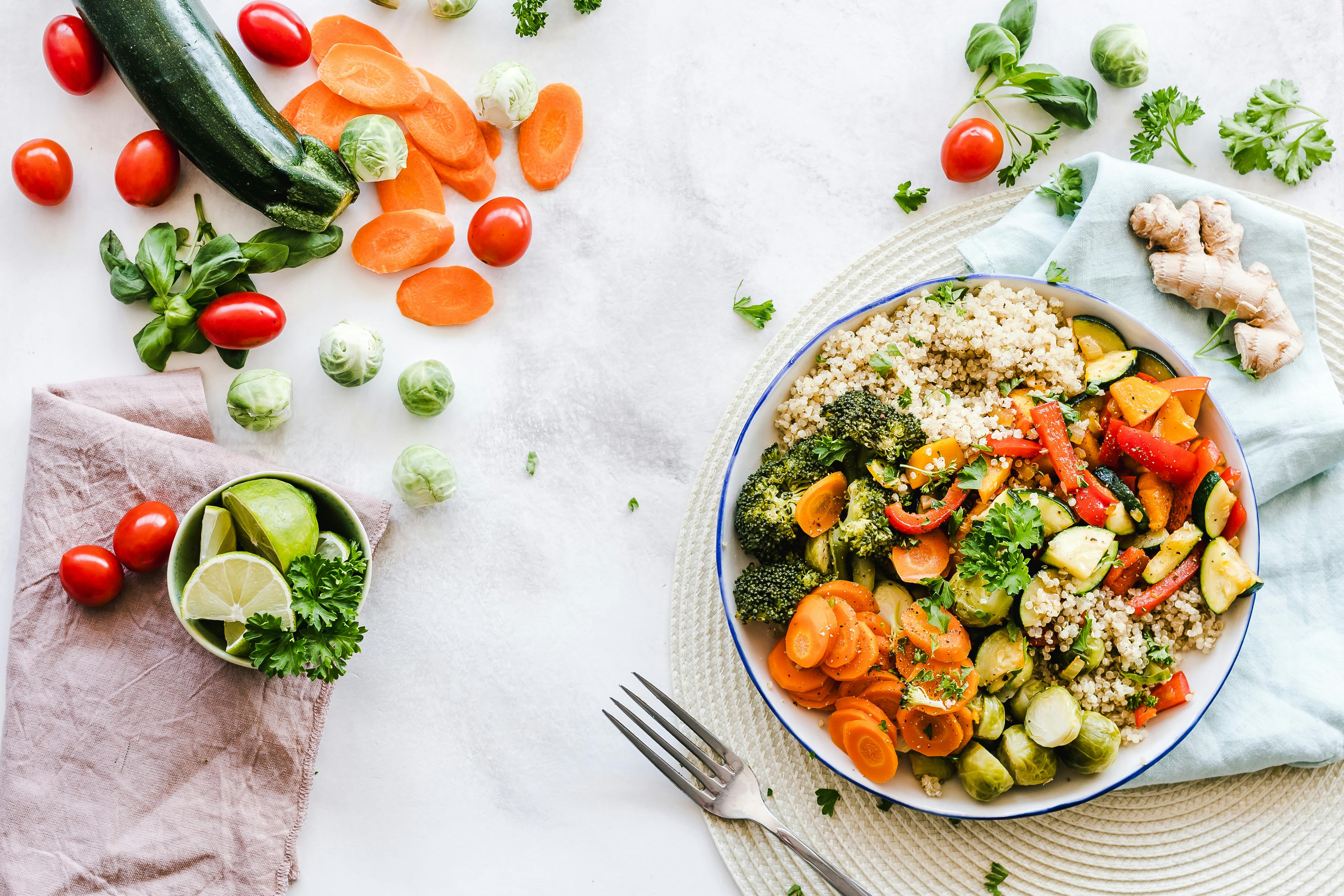
Quinoa is unique among grains because it's a complete protein — containing all nine essential amino acids. One cup of cooked quinoa provides 222 calories, 8g of protein, and 39g of complex carbohydrates. It's also rich in magnesium, iron, and zinc. Use it as a base for grain bowls, add to soups, or eat as a side dish in place of white rice.
8. Brown Rice
Rice is a staple weight-gain food for athletes worldwide. One cup of cooked brown rice provides 216 calories and 5g of protein along with complex carbohydrates that fuel workouts and replenish muscle glycogen after training. Brown rice also contains more fiber, vitamins, and minerals than white rice.
For maximum calorie density, cook rice in whole milk or add butter and olive oil after cooking.
9. Oats and Oatmeal
Oats are one of the most calorie-efficient breakfast foods for weight gain. One cup of dry oats provides 307 calories, 11g protein, and 55g of complex carbohydrates. They're also rich in beta-glucan fiber that supports gut health. Boost the calorie content of oatmeal by adding whole milk, nut butter, banana, honey, and nuts — turning a basic bowl into a 600–800 calorie meal.
10. Potatoes and Sweet Potatoes
Starchy vegetables like potatoes and sweet potatoes are excellent for adding carbohydrates and calories to your diet. A large baked potato provides approximately 290 calories and 8g of protein. Sweet potatoes additionally provide beta-carotene, vitamin C, and potassium. These are excellent post-workout foods that replenish muscle glycogen rapidly.
11. Whole Grain Bread and Pasta
Whole grain bread and pasta are calorie-dense carbohydrate sources that pair well with high-protein foods. Two slices of whole grain bread provide approximately 200 calories. A cup of cooked whole wheat pasta provides 174 calories and 7g of protein. These are staple foods for building a calorie surplus without having to eat enormous portions.
12. Dark Chocolate
Dark chocolate (70%+ cacao) is a calorie-dense, antioxidant-rich food that makes an excellent addition to a weight-gain diet. One ounce provides approximately 170 calories and 2g of protein along with flavanols that support cardiovascular health. Add dark chocolate chips to oatmeal, smoothies, or nut butter for a delicious calorie boost.
13. Dried Fruits
Dried fruits — raisins, dates, apricots, figs, and cranberries — are extremely calorie-dense because the water content is removed, concentrating the calories and sugar. A quarter cup of raisins provides approximately 120 calories. Add dried fruit to trail mix, oatmeal, yogurt, or eat as a convenient snack. However, be mindful of portion sizes as they're also high in sugar.
14. Healthy Oils
Adding healthy oils to meals is one of the easiest ways to significantly boost calorie intake without adding volume. One tablespoon of olive oil or coconut oil adds approximately 120 calories. Drizzle olive oil on vegetables, pasta, and salads. Add coconut oil to smoothies and oatmeal.
High-Calorie Weight Gain Smoothie Recipe
This smoothie provides approximately 800–1,000 calories and is ideal for people who struggle to eat enough solid food:
- 1 cup whole milk
- 1 banana
- 2 tablespoons peanut butter
- ½ cup rolled oats
- 1 scoop protein powder (optional)
- 1 tablespoon honey
- ½ avocado
- 1 tablespoon olive oil or coconut oil
Blend until smooth. Drink alongside your regular meals rather than as a replacement.
Sample High-Calorie Day of Eating (3,200 Calories)
- Breakfast (700 cal): 3 scrambled eggs + 2 slices whole grain toast with avocado + 1 cup whole milk
- Mid-morning snack (400 cal): Greek yogurt with granola, banana, and honey
- Lunch (800 cal): Large chicken breast + 1.5 cups brown rice + roasted vegetables with olive oil
- Afternoon snack (300 cal): 2 tablespoons peanut butter with apple slices + handful of mixed nuts
- Dinner (800 cal): 8 oz salmon + large baked sweet potato + salad with olive oil dressing
- Evening (200 cal): Cottage cheese with berries
Key Strategies for Successful Weight Gain
- Eat more frequently: Aim for 5–6 meals/snacks per day rather than 3 large ones
- Never skip breakfast: A high-calorie breakfast sets the tone for the entire day
- Drink calories: Smoothies and whole milk add calories without making you feel overly full
- Add extras to everything: Extra olive oil, nut butter, cheese, and avocado add hundreds of calories
- Resistance train: Strength training 3–4 times per week ensures gained weight goes to muscle
- Be consistent: Weight gain requires weeks and months of consistent surplus eating
- Track your intake: Use a nutrition app to ensure you're actually hitting your calorie target
Frequently Asked Questions
How many extra calories do I need to gain weight?
A surplus of 300–500 calories per day above your Total Daily Energy Expenditure (TDEE) leads to approximately 0.5–1 pound of weight gain per week. For faster gains, increase to 500–750 calories above TDEE, though more fat gain is likely at higher surpluses.
What is the best food to gain weight fast?
Calorie-dense foods like nuts, nut butters, avocados, whole milk, full-fat dairy, red meat, and healthy oils are the most efficient for gaining weight quickly. High-calorie smoothies combining several of these ingredients can add 800–1,000 calories in a single serving.
Can I gain weight without eating junk food?
Absolutely. In fact, gaining weight with whole, nutrient-dense foods is far superior to gaining weight with junk food. Clean bulking — gaining weight with quality foods — results in more muscle and less fat gain compared to dirty bulking with processed foods.
How much protein do I need to gain muscle?
Research consistently recommends 0.7–1g of protein per pound of body weight per day for muscle building. For a 150-pound person, that's 105–150g of protein daily. Prioritize high-quality protein sources like eggs, meat, fish, dairy, and legumes.
Why am I not gaining weight even though I eat a lot?
Most people who struggle to gain weight are unintentionally underestimating their calorie intake. Track your food accurately using a kitchen scale for at least 2 weeks. You may also have a naturally high metabolism that requires more calories than average. Gradually increase intake by 200 calories every 2 weeks until you see consistent weight gain.
Is it possible to gain muscle without gaining fat?
A small calorie surplus (300–500 calories) combined with consistent resistance training allows most people to gain mostly muscle with minimal fat. However, some fat gain is normal and expected during a bulk. A slow, controlled approach minimizes fat accumulation.
Final Thoughts
Gaining weight healthily requires the same consistency and strategy as losing weight. Focus on calorie-dense, nutrient-rich whole foods — eggs, nuts, avocados, whole milk, red meat, rice, and oats — eat frequently, lift weights regularly, and track your progress.
Be patient — healthy weight gain takes time. Aim for 0.5–1 pound per week and adjust your calorie intake every 2–3 weeks based on results.
Want to track the exact calories and macros of your meals? Use our free NutriSnap AI Nutrition Analyzer — powered by USDA FoodData Central data.